


Drone Technology 2025 – Future of Drones, Uses, Benefits, and Innovations
Explore the future of drone technology in 2025 and beyond. Learn how drones are revolutionizing industries like agriculture, healthcare, military, delivery, and daily life.
Introduction
Drone Technology has become one of the most transformative innovations of the 21st century. From military surveillance to crop monitoring, from delivering goods to capturing cinematic footage, drones are reshaping how humans interact with technology. In 2025 and the coming decades, drones will not just be flying gadgets but AI-powered intelligent systems capable of solving complex problems, saving lives, and enhancing productivity.
In this detailed blog (5000+ words), we will explore:
- The history of drones
- Types of drones
- The current and future applications
- Benefits and challenges
- Impact of Drone Technology on industries
- Future trends like AI, 5G, and autonomous drones
- Drone regulations and ethical concerns
Let’s dive into the fascinating world of Drone Technology!
📌 What is Drone Technology?
Drone Technology refers to unmanned aerial vehicles (UAVs) controlled either remotely by a human pilot or autonomously using AI systems. Drones are equipped with sensors, cameras, GPS, and communication systems that enable them to fly, capture data, deliver goods, and perform various tasks.
Drone Technology will appear throughout this blog because drones are no longer just “flying toys” — they are advanced machines transforming industries.
📜 A Brief History of Drone Technology
- 1907 – First quadcopter design introduced in France.
- 1930s-40s – Military drones used for target practice in World War II.
- 1960s-70s – Drones advanced in Vietnam War for reconnaissance.
- 2000s – Commercial drones began entering markets.
- 2010s – Consumer drones became popular for photography and videography.
- 2020s – Drone Technology expanded to agriculture, medicine, delivery, and disaster management.
By 2025, drones are no longer limited to military or photography; they are essential tools in industries worldwide.
🛩️ Types of Drones
1. Based on Design
- Multi-Rotor Drones (Quadcopters, Hexacopters, Octocopters) – Best for aerial photography.
- Fixed-Wing Drones – Long-distance and high-speed drones, ideal for mapping.
- Single Rotor Helicopters – Heavy payload capacity.
- Hybrid VTOL Drones – Vertical Take-Off and Landing with fixed wings.
2. Based on Use
- Commercial Drones – Photography, delivery, entertainment.
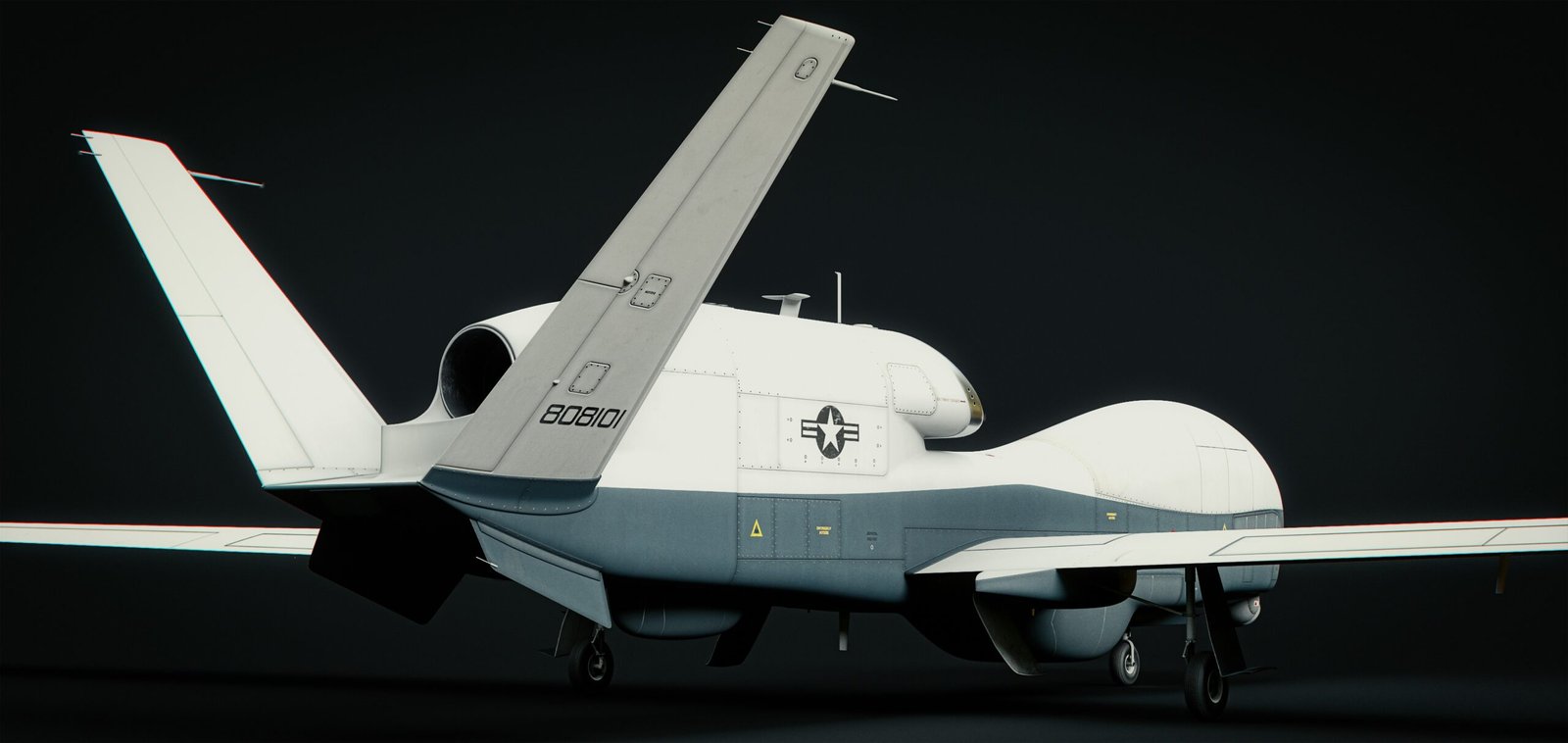
- Military Drones – Surveillance, reconnaissance, and combat.
- Industrial Drones – Agriculture, inspection, mining.
- Medical Drones – Delivery of medicines and vaccines.
- Recreational Drones – Hobby flying, sports, personal use.
🌍 Applications of Drone Technology in 2025
Drone Technology is everywhere! Let’s explore key sectors where drones are revolutionizing daily life:
1. Agriculture Drones
- Crop monitoring with sensors.
- Precision farming with pesticide spraying.
- Soil health analysis.
- Yield prediction using AI.
2. Healthcare and Medical Delivery
- Transport of medicines, vaccines, and blood.
- Emergency medical supplies during disasters.
- Organ transport for transplants.
- Telemedicine with drone-mounted devices.
3. E-commerce and Delivery Drones
- Companies like Amazon, Walmart, and Alibaba using drones.
- Contactless delivery in minutes.
- Cost-effective and time-saving logistics.
4. Military and Defense
- Intelligence, surveillance, and reconnaissance (ISR).
- Combat drones replacing fighter jets in risky missions.
- Border security and anti-terrorism.
5. Environment and Conservation
- Monitoring endangered wildlife.
- Forest fire detection.
- Climate change studies.
- Tracking deforestation and illegal activities.
6. Construction and Infrastructure
- Mapping and surveying.
- Inspection of bridges, towers, and pipelines.
- Reducing human risk in dangerous environments.
7. Entertainment and Media
- Cinematic shots in films.
- Drone light shows replacing fireworks.
- Sports coverage with aerial drones.
📊 Benefits of Drone Technology
- Time-Saving – Drones reduce manual labor and speed up tasks.
- Cost-Effective – Fewer resources needed for large-scale monitoring.
- Safety – Reduces human risk in dangerous jobs.
- Environmental Monitoring – Data for climate and pollution control.
- Accessibility – Reach remote and disaster-hit areas.
⚠️ Challenges and Risks
- Privacy Concerns – Drones with cameras raise surveillance fears.
- Security Threats – Possible misuse for terrorism.
- Air Traffic Management – Risk of collisions with aircraft.
- Regulatory Issues – Countries still developing drone laws.
- Battery and Flight Time Limitations – Drones still face energy issues.
🚀 Future of Drone Technology
By 2030, Drone Technology will evolve with:
- AI-Powered Drones – Self-learning and autonomous.
- 5G-Connected Drones – Faster data transfer and real-time monitoring.
- Swarm Drones – Multiple drones working together like bees.
- Smart Cities Integration – Drones for traffic control, pollution monitoring.
- Flying Taxis (Passenger Drones) – Uber and Airbus already testing.
- Medical Revolution – Drone ambulances for critical patients.
🏛️ Regulations and Legal Framework
Governments worldwide are setting drone laws:
- Registration and Licensing – Mandatory for drone operators.
- No-Fly Zones – Airports, military bases, and sensitive areas.
- Weight and Altitude Limits – Different rules for hobby vs. commercial drones.
- Insurance Policies – For drone accidents and damages.
📈 Impact of Drone Technology on Jobs
While some fear drones will replace jobs, the opposite is happening:
- New careers in drone piloting
- Drone software development
- Drone repair and manufacturing
- Data analysis from drone sensors
🔮 Conclusion
Drone Technology is not just a trend; it is a revolution shaping the future. From saving lives in medical emergencies to ensuring national security, from supporting farmers to delivering your next online order — drones are becoming as essential as smartphones.
By 2025 and beyond, Drone Technology will redefine industries, create new opportunities, and bring humans closer to a more connected, efficient, and sustainable world.