


Buses Technology 2025 – Future of Smart, Electric & Autonomous Buses 🚍⚡ | NextTechnology
Explore the future of buses technology in 2025 & beyond. From electric buses to autonomous public transport, discover how smart mobility will change daily life. Learn with NextTechnology.
Buses Technology
Introduction: The Rise of Smart Buses 🚍
Public transportation has always been the backbone of modern cities, helping millions of people commute daily. But now, buses technology is undergoing a major transformation. With the rise of electric mobility, AI-driven autonomous systems, IoT, and smart energy solutions, buses are no longer just a mode of transport – they are becoming intelligent, eco-friendly, and connected vehicles that will shape the future of urban mobility.
On our platform NextTechnology.online, we focus on the latest global innovations. And when it comes to buses technology, the future looks smarter, cleaner, and more efficient than ever before.
1. Evolution of Buses Technology – From Steam to Smart 🚍⚡
Before we look at futuristic buses, let’s understand the journey:
- 1800s – Steam & Horse-Drawn Buses 🐎
Public transport started with horse-drawn and steam-powered buses. - 1900s – Diesel & Internal Combustion Buses ⛽
The 20th century brought diesel-powered buses, which dominated for decades. - 2000s – Hybrid & Electric Introduction 🔋
Cities began adopting hybrid and electric buses to reduce pollution. - 2020s – Smart, Connected, and Autonomous Buses 🤖
AI, IoT, and renewable energy have transformed buses into intelligent mobility solutions.
This shift in buses technology highlights how innovation will redefine public transport.
2. Electric Buses – Driving a Clean Future ⚡
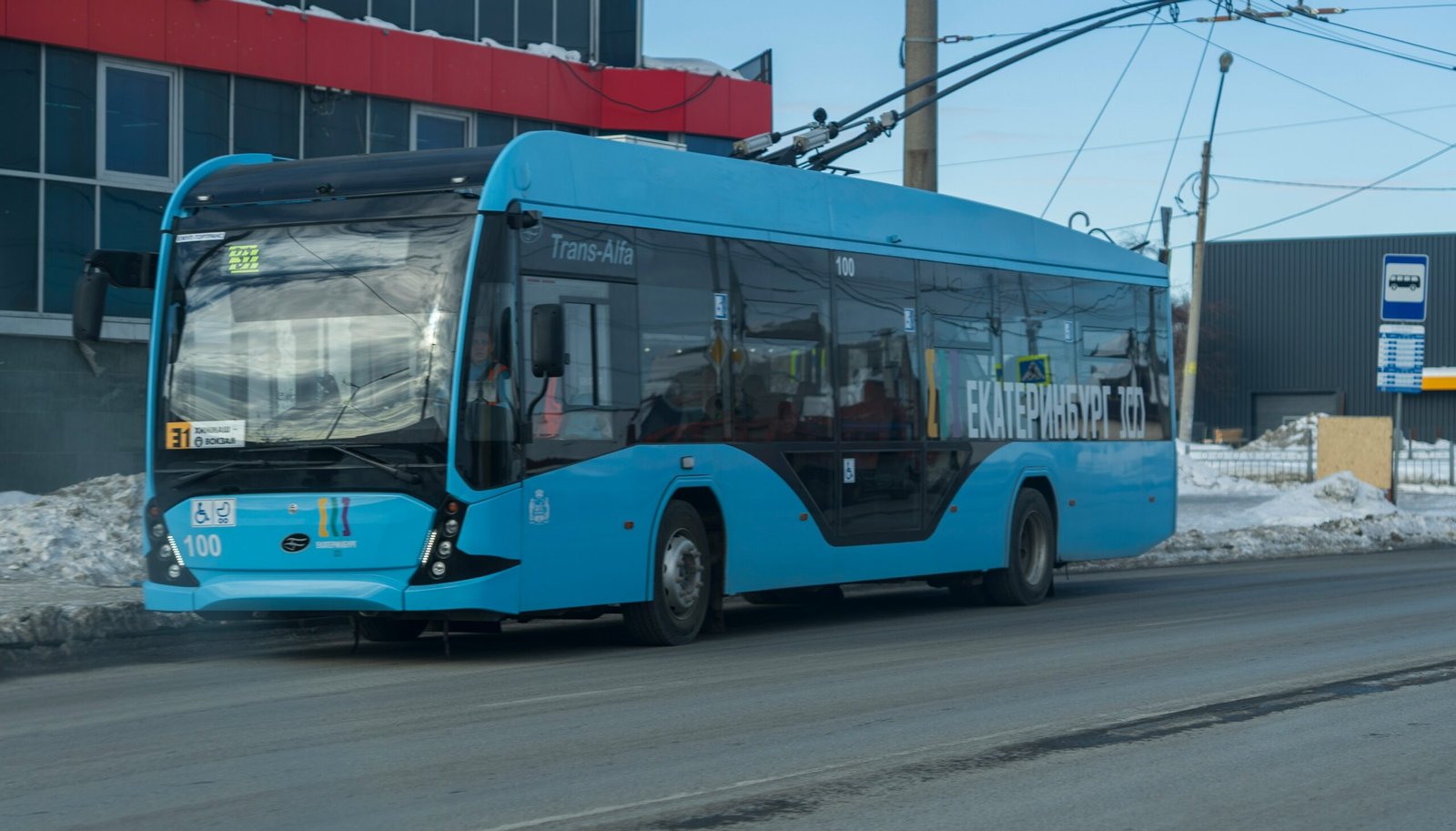
Electric buses are at the heart of modern buses technology.
Benefits of Electric Buses:
- Zero Emissions 🌍 – Reduces air pollution and greenhouse gases.
- Cost Efficiency 💰 – Lower fuel & maintenance costs than diesel.
- Noise Reduction 🔇 – Provides quieter city environments.
- Smart Charging 🔋 – Fast charging & wireless charging technologies.
Battery Technologies in Electric Buses:
- Lithium-ion Batteries – Common & widely used.
- Solid-State Batteries – Future tech with higher energy density.
- Hydrogen Fuel Cells – Long range, fast refueling option.
Countries like China, Norway, India, and UAE are rapidly shifting towards electric buses technology for sustainable mobility.
3. Autonomous Buses – The Future of Driverless Travel 🤖🚍
Imagine stepping onto a bus with no driver – just AI and sensors guiding the journey. This is not science fiction; it’s the future of autonomous buses.
Key Technologies in Autonomous Buses:
- AI & Machine Learning – Helps buses make real-time decisions.
- LIDAR & Radar Sensors – Detects obstacles, pedestrians, and traffic.
- IoT Connectivity – Allows buses to communicate with smart city infrastructure.
- 5G Networks – Enables ultra-fast data exchange for real-time navigation.
Autonomous buses are already being tested in Sweden, Singapore, and Dubai, showcasing the future of smart buses technology.
4. Smart Buses & IoT Connectivity 📡
Modern buses are digital mobility hubs powered by IoT & AI.
Features of Smart Buses:
- Real-Time Tracking & Apps 📱 – Passengers can track buses live.
- Contactless Payments 💳 – QR codes, NFC, and digital wallets.
- Passenger Safety Systems 🛡️ – AI cameras for monitoring.
- Energy Optimization ⚡ – Smart charging & route planning.
Platforms like NextTechnology.online are covering how smart buses technology is revolutionizing the way we travel.
5. Global Case Studies 🌍
China 🇨🇳
- Largest electric bus fleet in the world.
- 400,000+ e-buses running in 2024.
Europe 🇪🇺
- Paris, London, and Oslo shifting towards zero-emission fleets by 2035.
Middle East 🌴
- Dubai testing autonomous buses for Expo projects.
South Asia 🌏
- Pakistan, India investing in electric bus projects for sustainable urban transport.
6. Challenges in Buses Technology 🚧
Even with rapid progress, there are hurdles:
- High Initial Cost 💰
- Battery Recycling Issues ♻️
- Lack of Charging Infrastructure ⛽
- Public Trust in Autonomous Systems 🤔
Solutions: Government policies, public-private partnerships, and smart city integration will help overcome these barriers.
7. Future Predictions (2030–2050) 📊
- By 2030, 50% of buses in major cities will be electric.
- By 2040, autonomous buses will be common in smart cities.
- By 2050, most countries will phase out diesel buses completely.
Conclusion 🚍💡
The future of buses technology is electric, smart, and autonomous. From clean energy buses to driverless vehicles, the evolution of public transportation will redefine mobility worldwide.
At NextTechnology.online, we bring you the latest insights into future transportation and how innovations in buses technology are shaping a sustainable tomorrow.