


Explore the future of fighter jets technology with next-gen air combat innovations including AI-powered jets, stealth upgrades, hypersonic engines, drone wingmen, and smart weapon systems transforming global defense.
Future of Fighter Jets Technology
Introduction
The future of fighter jets technology is a subject of immense interest for defense experts, aviation enthusiasts, and governments worldwide. With constant advancements in artificial intelligence (AI), stealth, drone integration, hypersonic propulsion, and smart weaponry, fighter jets are rapidly evolving into far more than just high-speed aircraft. They are becoming advanced war machines capable of dominating the skies with unmatched precision, efficiency, and power.
This blog takes you deep into the next generation of fighter jets technology, exploring the trends, systems, and innovations that are shaping air combat in the 21st century. From the sixth-generation jets under development in the United States, China, and Europe, to game-changing technologies such as laser weapons and swarm drones, we will examine how the future of air warfare is being rewritten.
1. Evolution of Fighter Jets: From WWII to Next-Gen Combat
To understand the future of fighter jets technology, it is essential to know how far they have come.
- World War II Era: Jets like the German Messerschmitt Me 262 were the first jet-powered fighters.
- Cold War Era: The U.S. introduced supersonic jets like the F-4 Phantom and advanced stealth concepts.
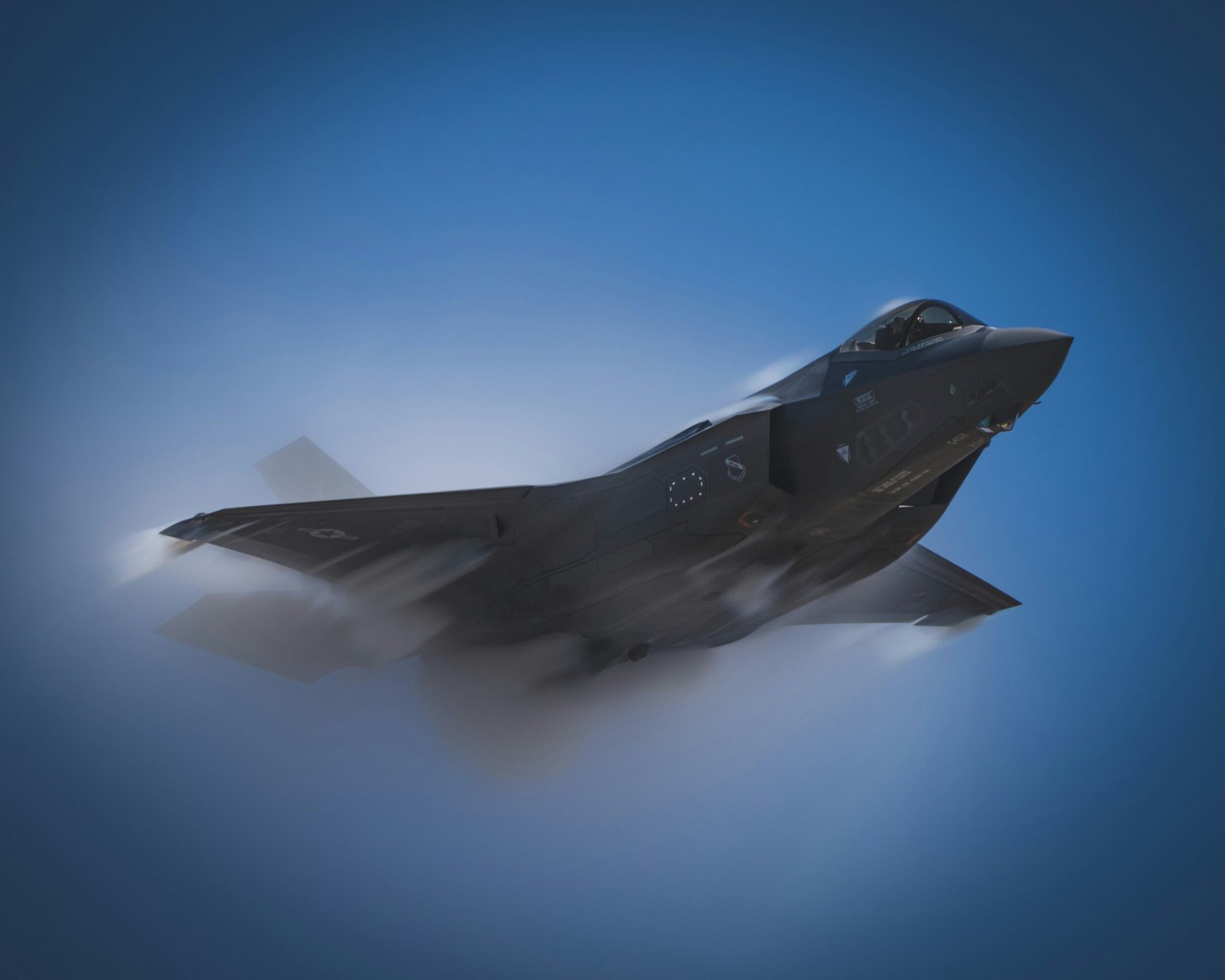
- Fifth Generation Fighters (2000s): The F-22 Raptor and F-35 Lightning II redefined stealth, agility, and sensor integration.
- Future Sixth-Generation Fighters: Programs like the U.S. Next Generation Air Dominance (NGAD), Europe’s FCAS (Future Combat Air System), and Japan’s F-X are paving the way for autonomous, AI-driven jets.
This progression highlights how fighter jets have consistently incorporated the latest technology, ensuring air superiority in every era.
2. Stealth and Radar-Evasion in Future Jets
Stealth is the cornerstone of modern air combat. Future fighter jets will feature advanced stealth coatings, radar-absorbing materials, and shapeshifting fuselage designs.
- Meta-material coatings will bend radar waves around the aircraft.
- Heat signature reduction systems will minimize detection by infrared sensors.
- Adaptive camouflage technology may allow jets to “blend” into the sky, just like invisibility.
In the future of fighter jets technology, stealth won’t just be about hiding from radar — it will include complete invisibility across multiple spectrums.
3. Artificial Intelligence (AI) in Fighter Jets
AI is set to revolutionize the future of fighter jets technology. Next-generation jets will include AI co-pilots capable of assisting human pilots or flying the aircraft independently.
- AI will handle high-speed tactical decision-making faster than humans.
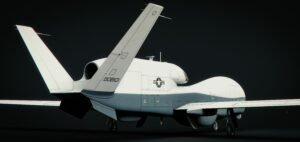
- Autonomous drones, also known as loyal wingmen, will accompany fighter jets to perform scouting, defense, or attack missions.
- AI will improve threat detection and evasion, giving pilots a clear advantage in combat.
The U.S. has already tested an AI-controlled F-16 fighter jet in mock dogfights — and it defeated human pilots. This proves how critical AI will be in shaping the next era of air combat.
4. Hypersonic Speed – Breaking Barriers
Speed has always been a defining factor in aerial combat. The future of fighter jets technology includes engines capable of hypersonic speeds (Mach 5 and above).
- Scramjet engines are being developed for sustained hypersonic flight.
- Hypersonic jets will allow rapid deployment across continents in minutes.
- These jets will be nearly impossible to intercept with existing air defense systems.
Countries like the U.S., Russia, and China are already competing in the hypersonic race, both for aircraft and missiles.
5. Drone Integration – Loyal Wingmen Concept
In the future battlefield, fighter jets won’t fight alone. They will be accompanied by autonomous drones designed to:
- Attack enemy targets
- Jam enemy radars
- Protect manned aircraft
- Carry weapons payloads
This loyal wingman concept ensures that fighter jets can extend their reach and improve survivability in high-risk missions.
6. Laser and Directed-Energy Weapons
One of the most exciting aspects of the future of fighter jets technology is the use of laser weapons.
- Lasers can intercept enemy missiles in mid-air.
- Directed-energy weapons provide unlimited ammunition as long as power is available.
- Future fighter jets may use lasers to disable enemy radars, drones, or aircraft without firing a single missile.
This technology will fundamentally change how air combat is conducted.
7. Smart Weapons and Next-Gen Missiles
Future fighter jets will carry AI-enabled smart weapons:
- Missiles that can re-route mid-flight to strike moving targets.
- Swarm drones that can overwhelm enemy defenses.
- Hypersonic cruise missiles capable of striking targets across continents within minutes.
Weapons will no longer just be fast; they will be intelligent.
8. Global Programs Developing Future Fighter Jets
United States:
- Next Generation Air Dominance (NGAD) – A sixth-generation fighter expected by 2030.
Europe:
- FCAS (Future Combat Air System) – Joint project by France, Germany, and Spain.
United Kingdom:
- Tempest Jet Program – Advanced stealth, AI, and drone integration.
China:
- J-20 Upgrades – Plans for sixth-generation stealth fighters.
Japan:
- F-X Program – Cutting-edge AI, stealth, and hypersonic capabilities.
These projects showcase how the future of fighter jets technology is a global competition.
9. Challenges in Developing Future Fighter Jets
- High Costs: Developing next-gen jets costs billions of dollars.
- Cybersecurity Risks: AI-driven jets are vulnerable to hacking.
- Ethical Questions: Should autonomous jets be allowed to make kill decisions?
- Geopolitical Tensions: New technologies can escalate arms races.
10. The Future Battlefield – Air Dominance Redefined
The future of fighter jets technology will create battlefields dominated by AI, hypersonic speeds, and autonomous swarms. Wars will be decided not just by manpower but by technological superiority in the skies.
Fighter jets will no longer be just machines — they will be intelligent, adaptive, and nearly unstoppable weapons of the future.
Conclusion
The future of fighter jets technology is set to transform air combat forever. With AI, stealth, hypersonics, laser weapons, and drone integration, the next generation of fighter jets will be faster, smarter, and deadlier than anything seen before. Nations that master these technologies will dominate the skies and secure their defense for decades to come.