


Future of Helicopter Technology 2025 | NextTechnology.online
Discover the future of helicopter technology, from autonomous flight and AI integration to hybrid engines and stealth designs. Learn how helicopters will transform transport, defense, and rescue operations.
Introduction
The future of helicopter technology is not just about flying machines anymore—it’s about revolutionizing the way humans move, connect, and respond to emergencies. Helicopters have always been vital for military operations, medical rescues, cargo deliveries, and even tourism. But with rapid advancements in AI, hybrid engines, autonomous systems, and next-generation materials, helicopters are evolving into smarter, faster, and more sustainable machines.
At NextTechnology.online, we believe helicopters will soon play a central role in urban air mobility, disaster management, and defense strategies. This blog explores everything about the future of helicopter technology—from its history to groundbreaking innovations that will redefine the skies.
History of Helicopters
The journey of helicopter technology began centuries ago with the imagination of inventors like Leonardo da Vinci, who sketched the first concept of a vertical flying machine. But it was in the 20th century that the helicopter truly came to life, with pioneers like Igor Sikorsky designing the world’s first successful production helicopter.
Over decades, helicopters have been used for:
- Military missions (combat, troop transport, reconnaissance)
- Medical evacuations (air ambulances)
- Disaster relief (floods, earthquakes, rescue)
- Cargo and industrial use (oil rigs, logging, construction)
- Tourism and travel
Now, with digital transformation and smart technologies, the helicopter is becoming more than just a rescue tool—it is transforming into a next-gen flying system.
Types of Helicopters
- Civilian Helicopters – Used for transport, tourism, and medical services.
- Military Helicopters – Attack helicopters, transport helicopters, and surveillance drones.
- Rescue Helicopters – Equipped with advanced medical kits for emergencies.
- Cargo Helicopters – Heavy-duty machines used for industrial lifting.
- Urban Air Mobility Helicopters – The future category, focused on air taxis and smart city transport.
At NextTechnology.online, we explore each type in detail, connecting the role of technology in enhancing their performance.
Latest Innovations in Helicopter Technology
The future of helicopter technology is being shaped by disruptive innovations, including:
1. Autonomous Flight
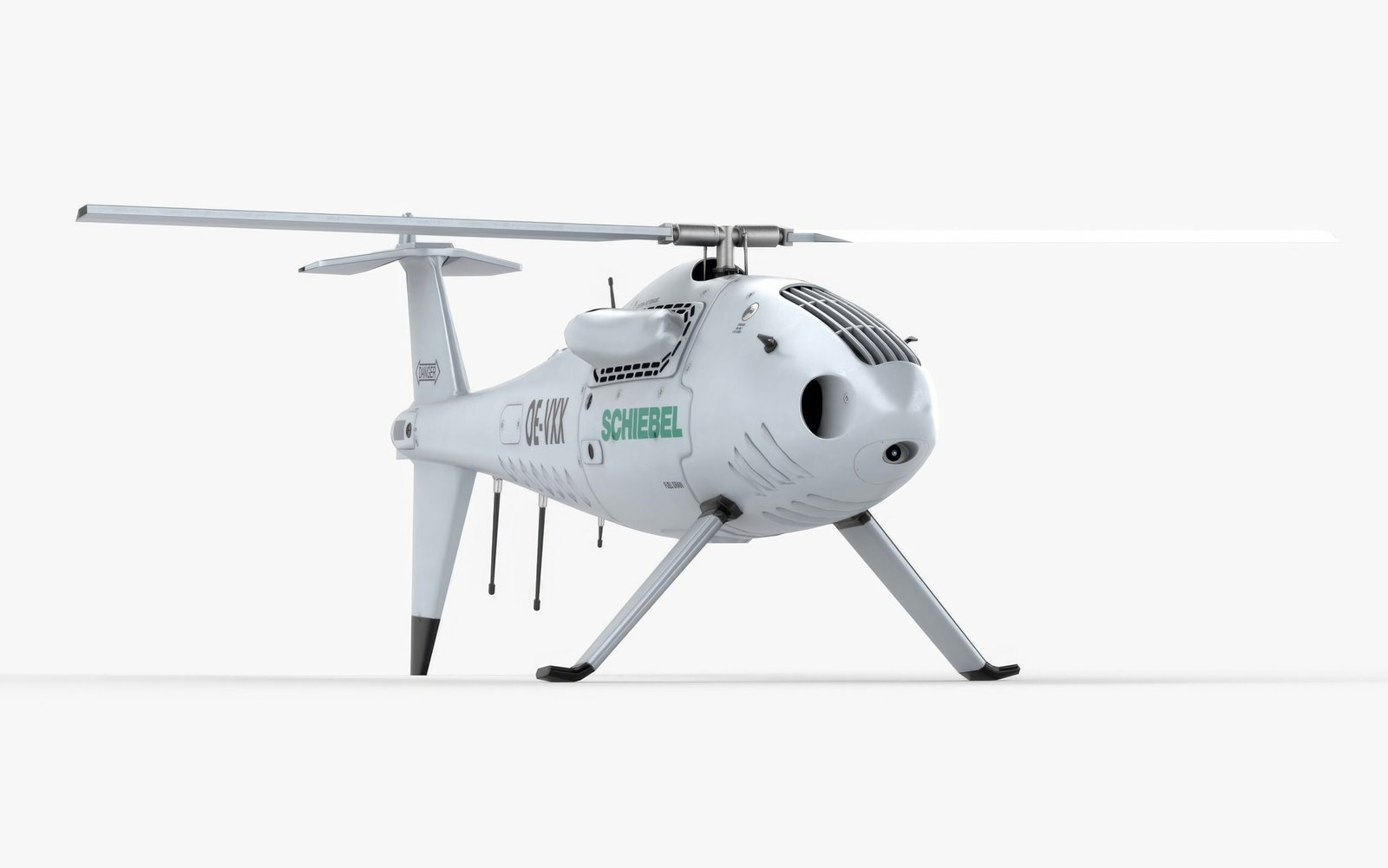
AI and machine learning are enabling helicopters to fly with minimal human control. This will improve safety, navigation, and precision landing in dangerous terrains.
2. Hybrid and Electric Engines
To reduce fuel costs and emissions, hybrid and electric helicopters are under development. Airbus and Bell have already showcased electric-propelled prototypes.
3. AI-Powered Navigation
AI-driven systems will analyze real-time weather, terrain, and threats to ensure smarter route planning.
4. Stealth Helicopters
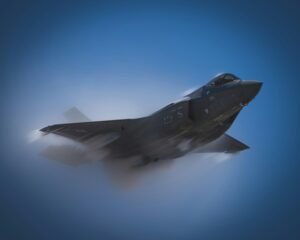
Military helicopters are adopting stealth technology, making them undetectable by radar. This is already seen in U.S. Black Hawk stealth variants.
5. Advanced Materials
Carbon composites and nanomaterials are making helicopters lighter, stronger, and more fuel-efficient.
6. 5G & Satellite Integration
With 5G and satellite communication, helicopters will have seamless connectivity for missions, rescue operations, and urban flying.
Future of Helicopter Technology
By 2035, experts predict:
- Air taxis will be common in megacities.
- Electric helicopters will replace many fuel-based ones.
- AI copilots will support human pilots.
- Rescue helicopters will become fully automated.
- Military helicopters will use swarm drone integration.
At NextTechnology.online, we highlight how these future technologies will reshape daily life, defense systems, and emergency response worldwide.
Global Market & Innovations
According to research, the global helicopter market will exceed $70 billion by 2030, driven by defense needs and urban mobility. Companies like:
- Airbus Helicopters
- Bell Textron
- Boeing Defense
- Leonardo
are investing heavily in AI, electric propulsion, and hybrid helicopters.
Benefits of Future Helicopter Technology
✔ Faster response in emergencies
✔ Eco-friendly with electric propulsion
✔ Urban air taxis reduce traffic congestion
✔ Safer with AI-powered systems
✔ Stronger role in military & national defense
Challenges in Helicopter Technology
❌ High cost of research & development
❌ Noise pollution in urban areas
❌ Safety concerns in autonomous systems
❌ Government regulations for air mobility
Helicopters vs Drones
While drones are great for small missions, helicopters remain unmatched for:
- Heavy lifting
- Long-distance rescue
- Military combat roles
However, in the future, helicopters will integrate drone technologies for smarter hybrid missions.
FAQs on Future Helicopter Technology
Q1: Will helicopters become fully autonomous?
Yes, by 2040, we may see autonomous helicopters in urban air taxis and rescue operations.
Q2: Are electric helicopters real?
Yes, Airbus has already tested prototypes of electric and hybrid helicopters.
Q3: What is the biggest benefit of AI in helicopters?
AI ensures safe navigation, threat detection, and energy-efficient flights.
Q4: Will helicopters replace airplanes in cities?
Not entirely, but urban helicopters/air taxis will dominate short-distance travel.
Conclusion
The future of helicopter technology is bright, powerful, and revolutionary. With AI, electric propulsion, stealth tech, and urban air mobility, helicopters will soon become smarter and greener.
At NextTechnology.online, we bring you the latest updates on helicopter technology, aerospace innovations, and futuristic transport systems. The coming decades will see helicopters not just as rescue machines but as an essential part of daily transport, defense, and emergency response worldwide.