


Discover how Nuclear Energy is shaping the Clean Power Future ⚡. Learn benefits, risks, innovations, and the role of nuclear technology in sustainable energy.
Nuclear Energy & Clean Power Future
Nuclear Energy & Clean Power Future ⚡
Introduction
The world is standing at a critical juncture where the demand for energy is continuously rising, while the need to reduce greenhouse gas emissions has become an urgent priority. Among various solutions, Nuclear Energy & Clean Power Future has emerged as one of the most promising paths toward sustainable growth. Unlike fossil fuels, nuclear energy does not release harmful carbon dioxide during operation, making it a reliable clean energy source.
In this blog, we will dive deep into nuclear energy, its role in the clean power future, advantages, disadvantages, latest innovations, global trends, and why it might become the backbone of our world’s energy system.
What is Nuclear Energy?
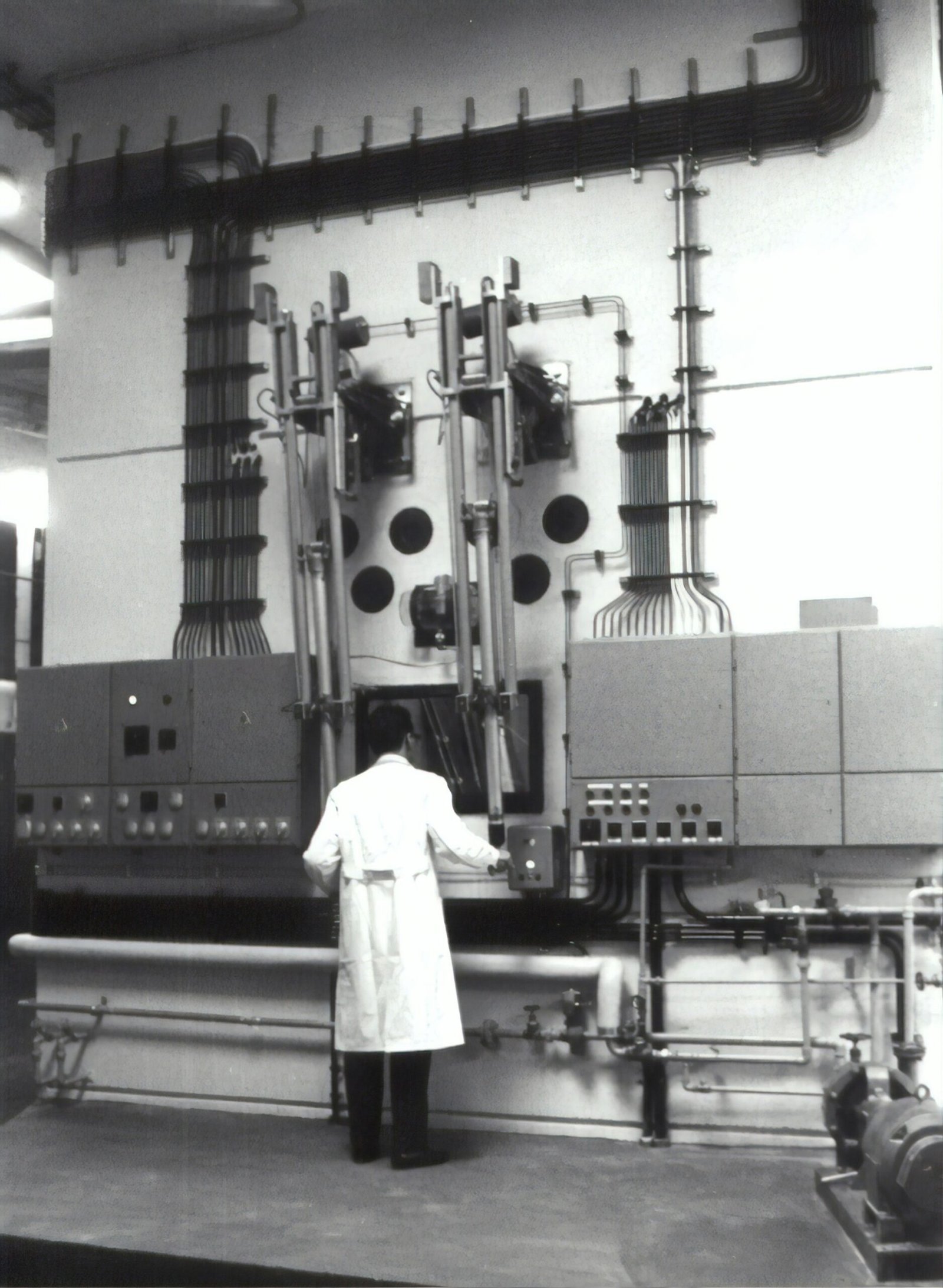
Nuclear energy is the energy released during nuclear reactions, particularly nuclear fission. In fission, the nucleus of an atom splits into smaller parts, releasing a huge amount of energy. This energy is harnessed to produce heat, which is then used to generate electricity.
Key Components:
- Uranium & Plutonium – Primary fuels used in reactors.
- Nuclear Reactors – Facilities where fission reactions occur.
- Cooling Systems – Maintain safe temperatures.
- Control Rods – Regulate the chain reaction.
This unique method of energy production makes nuclear energy one of the most efficient power sources available.
Why Nuclear Energy Matters in the Clean Power Future ⚡
The term Clean Power Future refers to a global vision of reducing dependency on fossil fuels and transitioning towards renewable and low-carbon sources. Here’s why nuclear energy plays a vital role:
- Low Carbon Emissions – Nuclear power plants release nearly zero carbon dioxide during operations.
- Energy Efficiency – A small amount of uranium can produce massive energy compared to coal or oil.
- Reliable Supply – Unlike solar or wind, nuclear plants produce stable energy 24/7.
- Supports Renewables – Nuclear energy can act as a backup when renewable energy is unavailable due to weather conditions.
Global Energy Challenges
Before we discuss nuclear power’s role in the clean energy future, let’s highlight the challenges the world is facing:
- Rapid industrialization and population growth are increasing energy demand.
- Climate change is forcing governments to shift towards low-carbon energy.
- Fossil fuels are limited and environmentally harmful.
- Renewable energy (solar, wind, hydro) is promising but still intermittent.
In this scenario, Nuclear Energy & Clean Power Future becomes an essential solution.
Advantages of Nuclear Energy
- Massive Energy Output – One uranium pellet produces the same energy as tons of coal.
- Stable Electricity Supply – Unlike renewables, nuclear energy is not weather-dependent.
- Long-term Sustainability – Nuclear fuel can last for decades.
- Job Creation – Nuclear industries create thousands of jobs globally.
- National Security – Countries with nuclear power reduce dependency on fossil fuel imports.
Disadvantages of Nuclear Energy
- Radioactive Waste – Requires long-term storage solutions.
- High Initial Costs – Building nuclear power plants requires billions of dollars.
- Risk of Accidents – Historical events like Chernobyl and Fukushima highlight dangers.
- Nuclear Proliferation – Nuclear technology can be misused for weapons.
Nuclear Energy vs Renewable Energy
| Attribute | Nuclear Energy | Renewable Energy (Solar/Wind) |
|---|---|---|
| Carbon Emissions | Very Low | Zero |
| Reliability | 24/7 Stable | Weather Dependent |
| Cost | High Initial, Low Operational | Low Initial, Storage Costs High |
| Waste | Radioactive Waste | No Waste |
Both nuclear energy and renewables must work together for a clean power future.
Nuclear Innovations for Clean Power Future ⚡
- Small Modular Reactors (SMRs) – Cheaper and safer reactors.
- Fusion Energy – The holy grail of clean energy, still in development.
- Advanced Safety Systems – AI-controlled monitoring reduces accident risks.
- Nuclear Batteries – Long-lasting power sources for space exploration.
Nuclear Energy & Climate Change
Climate change is one of the biggest threats facing humanity. Nuclear energy offers a pathway to achieve Net Zero Emissions by 2050. Studies show that countries investing in nuclear power reduce carbon emissions significantly while maintaining energy stability.
Countries Leading in Nuclear Energy
- France – 70% of electricity comes from nuclear energy.
- United States – Largest number of nuclear reactors.
- China – Rapidly expanding nuclear power infrastructure.
- Russia – Leading exporter of nuclear technology.
Nuclear Energy in Pakistan & Developing Nations
Developing countries are also investing in nuclear energy to meet rising demand. Pakistan’s Chashma Nuclear Power Plant and Karachi Nuclear Power Plants are examples of how nations with limited fossil fuels are turning towards nuclear energy for clean power.
Future of Nuclear Energy ⚡
The future looks bright as:
- Governments push for carbon neutrality.
- Technologies like fusion reactors are under testing.
- Investments are flowing into SMRs for decentralized clean power.
- AI and IoT will make nuclear operations safer.
Conclusion
The Nuclear Energy & Clean Power Future ⚡ is not a dream—it’s already happening. While challenges like waste management and safety exist, technological innovations are addressing these issues. With the right policies, nuclear energy can stand alongside renewables to provide the world with clean, reliable, and sustainable power.
At NextTechnology.online, we believe the future of energy will be shaped by nuclear power, renewables, and smart innovations working together to create a sustainable world.