



Introduction – The Dream of Flying Cars Becomes Reality
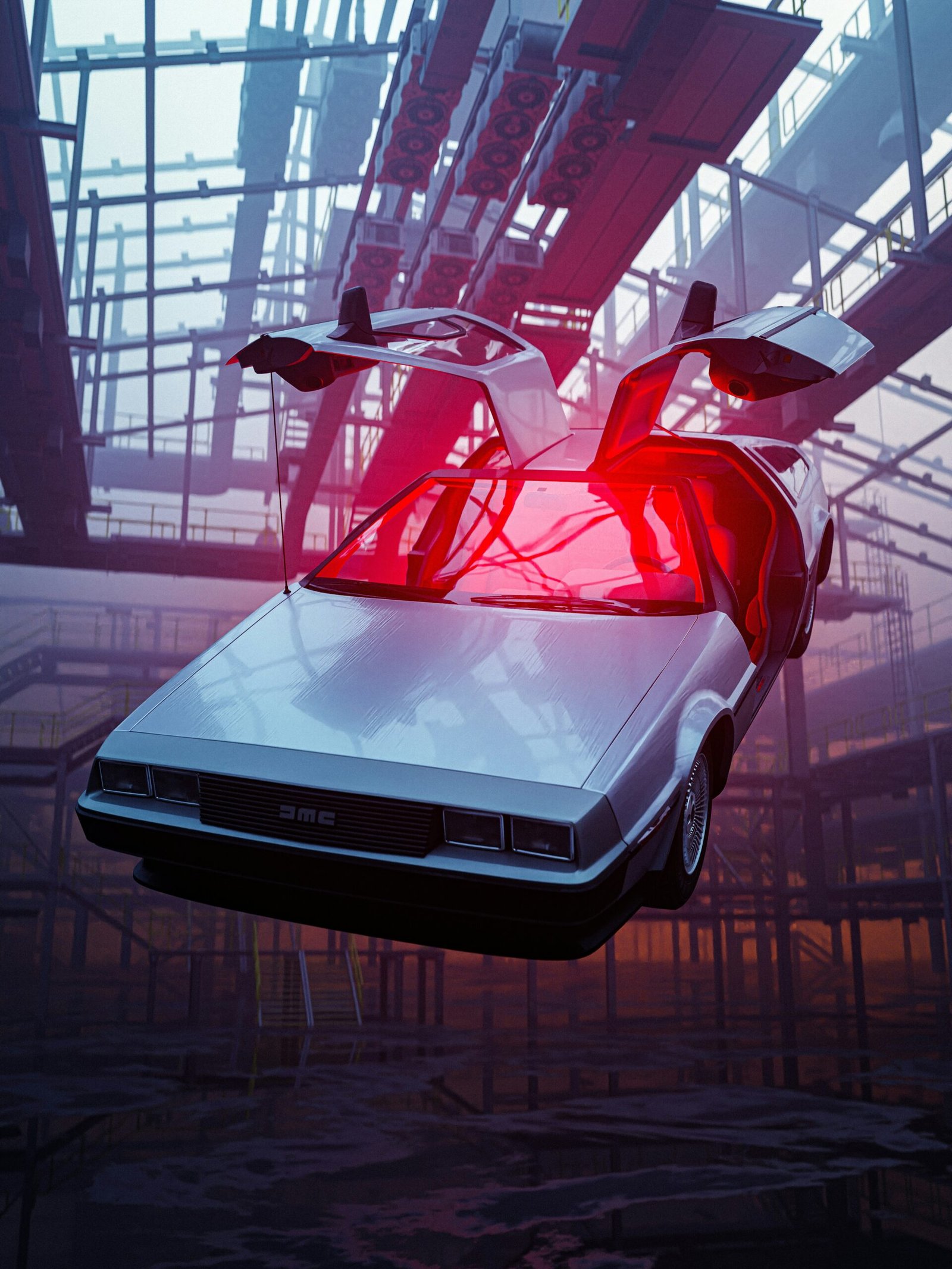
Flying cars have always been a dream of science fiction lovers. From movies like Back to the Future to futuristic cartoons like The Jetsons, people imagined a world where cars could fly over traffic and make life easier. Now, in 2025, this dream is turning into reality with the rise of Flying Car Technology 2025. Companies around the globe are working on advanced air mobility vehicles that can take off vertically, fly over congested roads, and land safely in compact spaces.
The future of transportation is changing rapidly, with electric flying cars, flying taxis, and urban air mobility (UAM) becoming mainstream. These vehicles are designed to save time, reduce traffic jams, and bring a revolutionary shift in how people travel.
This detailed blog explores everything about Flying Car Technology 2025—its history, benefits, challenges, companies working on it, global adoption, and how it will change daily life forever.
History and Evolution of Flying Car Technology
The idea of flying cars is not new. Engineers and scientists have been experimenting with flying vehicles for over 100 years.
- 1917 – Curtiss Autoplane: The first concept of a flying car introduced in the U.S.
- 1940s – Aerocar: An experimental flying car developed in America.
- 2009 – Terrafugia Transition: The first practical flying car prototype that could drive on roads and fly in the air.
- 2020 onwards: Companies like Joby Aviation, Lilium Jet, PAL-V, and Airbus started working on electric vertical take-off and landing vehicles (eVTOLs).
In 2025, these prototypes are transforming into reality, with countries like Japan, UAE, China, and the USA testing flying cars for urban use.
Features of Flying Car Technology 2025
Flying cars are not just cars with wings—they are advanced machines powered by electric motors, hybrid engines, and AI systems.
Key features include:
- Vertical Take-off and Landing (VTOL): No need for long runways, can take off from parking lots or rooftops.
- Electric Propulsion: Most flying cars are electric, eco-friendly, and produce low noise.
- AI and Autonomous Systems: Many flying cars are semi-autonomous, making them safer.
- Smart Navigation: Integrated with GPS, IoT, and 6G networks for smooth traffic management.
- Compact Design: Can be driven on roads and then switched to flight mode.
- Flying Taxis: Designed for shared rides in urban cities.
Benefits of Flying Car Technology
Flying cars are expected to bring countless benefits in 2025 and beyond:
- Time-Saving: Travel hours reduced to minutes.
- Traffic-Free Travel: No more traffic jams in big cities.
- Eco-Friendly Transport: Electric flying cars reduce carbon emissions.
- Emergency Use: Quick transport for patients, rescue missions, and disaster response.
- Tourism Boost: Flying cars open new possibilities for scenic travel experiences.
- Urban Development: Smart cities will integrate sky roads for flying cars.
Challenges of Flying Car Technology
Despite its potential, flying car technology faces major challenges:
- High Cost: Early flying cars cost $200,000 – $500,000.
- Safety Concerns: Mid-air collisions, technical failures, and regulations.
- Air Traffic Control: Managing thousands of flying cars in the sky.
- Infrastructure: Need for “Skyports” and charging stations.
- Noise Pollution: VTOL engines can be noisy in crowded cities.
- Government Regulations: Strict aviation laws slow adoption.
Top Companies Working on Flying Cars in 2025
Several companies are leading the race:
- Joby Aviation (USA): Testing air taxis in California.
- Lilium Jet (Germany): Electric flying jet with 36 motors.
- PAL-V (Netherlands): A road-legal flying car (gyroplane).
- Terrafugia (China/USA): Owned by Geely, developing road-air hybrid cars.
- Volocopter (Germany): Working on air taxis for Dubai Expo.
- Airbus (France): Vahana project for autonomous flying cars.
- Hyundai & Uber Elevate: Building air taxi services worldwide.
Flying Taxis and Urban Air Mobility (UAM)
The biggest revolution in Flying Car Technology 2025 is flying taxis. Countries like UAE, Japan, and Singapore are already planning to launch air taxi services.
- Dubai Expo 2025: Flying taxis will be operational.
- Tokyo 2025: Flying cars will be used in the World Expo.
- USA & Europe: Regulations are being finalized for urban air mobility.
Flying taxis will reduce traffic jams, save time, and provide premium travel options in big cities.
Global Market Predictions for Flying Cars
Experts predict the global flying car market will reach $1 trillion by 2040.
- 2025: First commercial flying cars available.
- 2030: Flying taxis operational in 10+ major cities.
- 2035: Affordable flying cars for the public.
- 2040: Mainstream adoption in developed countries.
Role of AI, IoT, and 6G in Flying Cars
Flying cars are more than just machines; they are smart mobility solutions.
- AI: Helps in autonomous navigation and safety.
- IoT: Connects flying cars with smart cities and traffic control.
- 6G Networks: Ultra-fast communication for real-time updates.
- Blockchain: Secure flight data and payments.
Future of Flying Car Technology 2025 – Changing Daily Life
In the future, flying cars will:
- Allow door-to-door air travel.
- Replace traditional taxis in mega cities.
- Provide faster medical emergency transport.
- Boost tourism and luxury travel.
- Reduce road accidents and pollution.
By 2035, flying cars may become as common as electric cars today.
FAQs – Flying Car Technology 2025
Q1: When will flying cars be available?
Flying cars are expected to be commercially available by 2025-2030.
Q2: How much will a flying car cost?
Currently $200,000 – $500,000, but prices will drop in the next decade.
Q3: Are flying cars safe?
Yes, with AI navigation, multiple safety systems, and regulations, they will be safer than helicopters.
Q4: Which country will launch flying taxis first?
UAE, Japan, and Singapore are leading, with services expected in 2025.
Q5: Can anyone drive a flying car?
A special pilot license or training may be required initially.
Conclusion
The Flying Car Technology 2025 is not just a dream anymore—it is becoming reality. With companies investing billions and governments supporting smart mobility, flying cars will soon change how we live, work, and travel. Though challenges exist, the benefits outweigh the risks, and the future looks bright.
The age of flying cars is here, and it will transform our daily life forever. 🚀