


Future of Electric Cars ⚡ & Autonomous Driving 🚗 | The Next Big Revolution
Explore the future of electric cars and autonomous driving – EV technology, AI-powered self-driving systems, benefits, challenges, and the transformation of transportation by 2030.
Future of Electric Cars & Autonomous Driving
Future of Electric Cars, Autonomous Driving, EV Technology, Tesla Self-Driving, AI in Cars, Future Transportation, Electric Vehicles 2030, Smart Mobility
Introduction: The Beginning of a New Era in Transportation
The automobile industry is going through the biggest transformation since its invention. The future of electric cars & autonomous driving is shaping not just how we drive, but how we live, travel, and interact with technology. From electric vehicles (EVs) that are replacing gasoline-powered cars to self-driving cars that no longer require human drivers, the world is entering a transportation revolution.
For decades, people relied on internal combustion engines, burning fossil fuels and polluting the environment. But with climate change, rising fuel costs, and the push for sustainability, electric vehicles became the future. Parallel to this, artificial intelligence (AI) and automation opened the doors for cars that can think, decide, and drive on their own.
This blog, published on NextTechnology.online, dives deep into the EV future, autonomous driving innovations, top companies, challenges, and future predictions.
The Rise of Electric Cars ⚡
Why the World is Shifting Towards EVs
- Environmental Concerns: EVs produce zero tailpipe emissions.
- Fuel Costs: Electricity is cheaper than gasoline.
- Government Policies: Many countries are banning petrol/diesel cars after 2035.
- Technological Advancements: Better batteries, faster charging, and AI integration.
According to the International Energy Agency (IEA), by 2030 there will be over 350 million electric cars on the road worldwide. This is a dramatic shift compared to just 10 million in 2020.
Top Companies Leading the EV Revolution
1. Tesla (USA)
The pioneer of electric cars, famous for its Autopilot self-driving technology and supercharger network.
2. BYD (China)
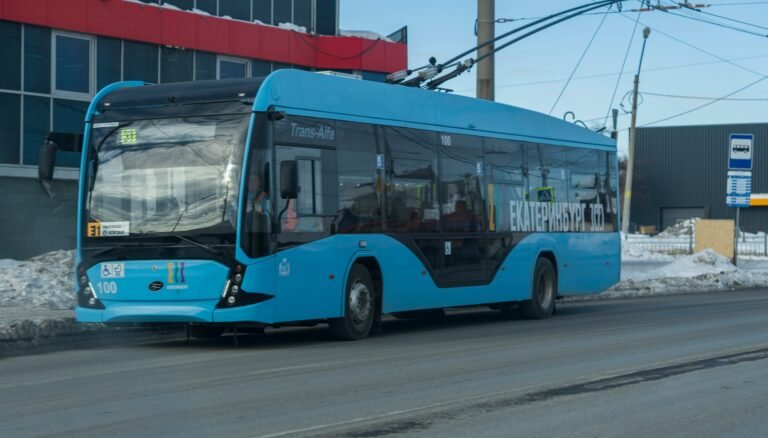
World’s largest EV manufacturer, producing both cars and electric buses.
3. Volkswagen (Germany)
Investing $50 billion in EV production, aiming for 50% electric sales by 2030.
4. Rivian & Lucid Motors (USA)
Focused on luxury EVs and adventure vehicles.
5. Hyundai & Kia (South Korea)
Affordable EVs with futuristic design and long-range batteries.
Autonomous Driving 🚗 – The Next Big Step
Autonomous driving means cars that can drive themselves using AI, sensors, and data. Companies like Waymo (Google), Tesla, Uber, and Apple are heavily investing in this technology.
Levels of Autonomous Driving (According to SAE):
- Level 0: No automation (fully manual).
- Level 1: Driver Assistance (cruise control).
- Level 2: Partial Automation (Tesla Autopilot).
- Level 3: Conditional Automation (car drives but human takes over if needed).
- Level 4: High Automation (car drives itself in most conditions).
- Level 5: Full Automation (completely driverless cars).
By 2040, experts predict Level 5 fully autonomous cars will be available worldwide.
How Autonomous Cars Work – The Technology Behind It
- AI & Machine Learning – Helps cars recognize traffic signals, objects, and pedestrians.
- LiDAR (Light Detection and Ranging) – 3D mapping of surroundings.
- Radar & Cameras – Detect vehicles, weather conditions, and obstacles.
- Cloud Computing – Cars share real-time data with other vehicles.
Benefits of Electric & Autonomous Cars
- Eco-Friendly Future – Reduction in CO2 emissions.
- Safer Roads – 90% of accidents are caused by human error, AI reduces this risk.
- Cheaper Transportation – Lower maintenance and fuel costs.
- Smart Cities Integration – Cars connected with traffic lights and AI systems.
- Convenience – Imagine sleeping, reading, or working while your car drives you.
Challenges Ahead
While the future of electric cars & autonomous driving is exciting, there are challenges:
- High EV Costs – Batteries are still expensive.
- Charging Infrastructure – Lack of charging stations in rural areas.
- Cybersecurity Risks – Hackers could target self-driving cars.
- Legal Issues – Who is responsible in case of an accident?
- Public Trust – Many people still fear AI driving.
Case Studies
Tesla’s Autopilot 🚗
Tesla leads in semi-autonomous cars, with its autopilot system capable of highway driving, lane changes, and self-parking.
Waymo by Google
Waymo has launched robotaxi services in Phoenix, Arizona – cars with no human drivers.
Uber & Lyft
Investing heavily in autonomous ride-sharing cars.
The Future (2030–2050 Predictions)
- By 2030, 60% of new cars will be electric.
- By 2040, majority of cities will have driverless taxis.
- By 2050, petrol/diesel cars will almost disappear.
- Cars will become personal AI assistants, integrating with smart homes and offices.
Comparison Table – EVs vs Traditional Cars
| Feature | Electric Cars | Gasoline Cars |
|---|---|---|
| Fuel Cost | Low | High |
| Maintenance | Low | High |
| Pollution | Zero Emissions | High Emissions |
| Performance | Instant Torque | Delayed Acceleration |
| Future Growth | Rising | Declining |
Conclusion
The future of electric cars & autonomous driving is not just about vehicles, it’s about a global lifestyle change. From reducing pollution to making roads safer and smarter, this revolution will impact every individual.
At NextTechnology.online, we believe the coming decades will belong to EVs and self-driving cars. For businesses, students, and technology lovers, staying updated with this change is essential.